A community who believes in the
power of education
Education and awareness are the best
means for bringing about tolerance and
understanding.
We raise awareness on issues of Universal
Human Rights, Genocide and Diaspora -
Homeland Relations through academic work.
Defending truth, justice and human rights
is everybody's business.
Divisions of The Zoryan Institute
IIGHRS - International Institute for Genocide and Human Rights Studies
Encouraging a new generation of scholars to engage in research and publication in the field of Genocide and Human Rights, through a comparative and interdisciplinary analysis of cases such as the Holocaust, the Cambodian Genocide, and the Rwandan Genocide among others, using the Armenian Genocide as a point of reference.
IIDS -The International Institute for Diaspora Studies
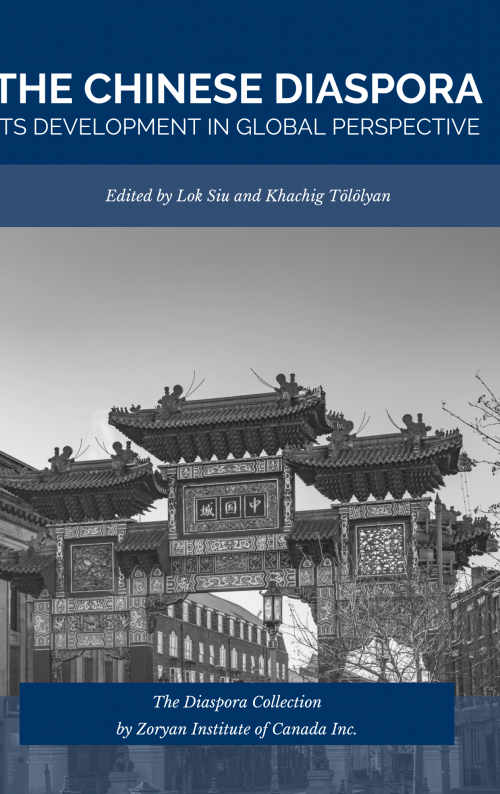
The study of 'diaspora' deals with dispersed populations scattered away from their homelands that maintain a sense of collective identity and can function as transnational networks between host states and homelands.
In an era of rapid globalization, the study of diasporas is increasingly pertinent for policy-makers, business leaders, scholars and civil societies.
Genocide Studies and Human Rights
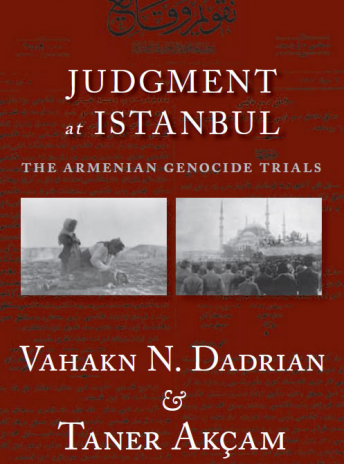
Through comparative analysis of such cases as the Holocaust, the Armenian Genocide, Cambodia and Rwanda, among others, IIGHRS engages in research, publication and education in the fields of genocide and human rights.
Homeland
The modern concept of homeland is seen as a place where people depend on a shared set of ideals--the rule of law, freedom of thought, action, and belief, striving for good governance with shared responsibilities.